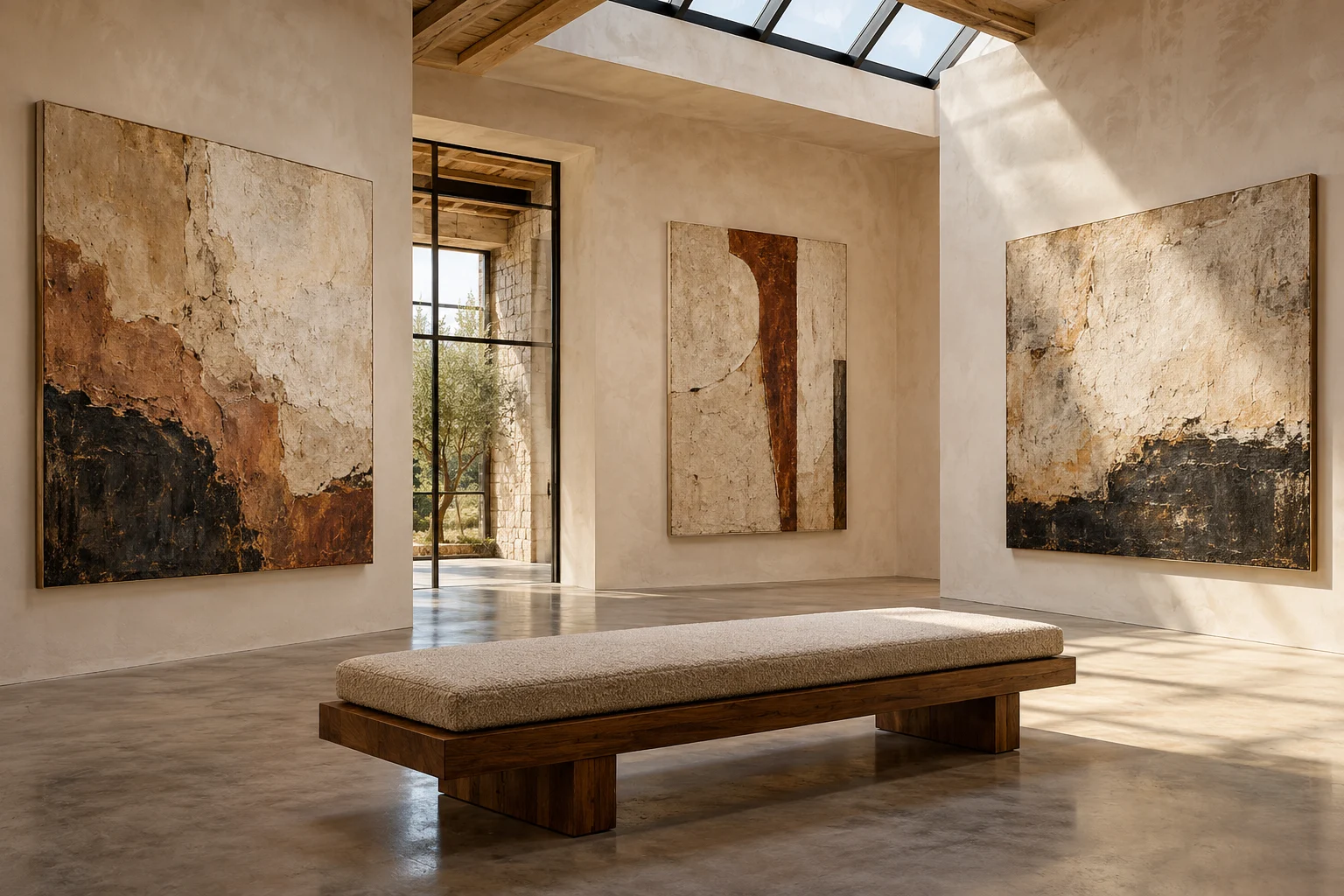
Selecting an art exhibition to visit involves more than just checking a museum's current schedule. It requires a balance between the desire to see everything a venue offers and the reality of how much a person can truly absorb in a single sitting. For many, the instinct is to treat a gallery visit like a checklist, moving rapidly from one installation to the next to ensure nothing is missed.
The Weight of Expectations
A particular challenge arises when you are planning this outing for someone else. You may find yourself attempting to anticipate their tastes, interests, or energy levels to ensure they have an enjoyable time. This often leads to a mental tug-of-war: do you choose the most famous collection currently on display, or the one that seems more niche and specialized?
In an effort to avoid making assumptions about what another adult might find meaningful, it is tempting to provide a wide variety of options. However, providing too many choices can sometimes create a sense of decision fatigue. If you suggest three different wings of a museum, you might inadvertently place the burden of curation on your companion, forcing them to navigate a complex set of preferences they may not have even articulated.
Quality Over Quantity
Consider the tradeoff between breadth and depth. A visit that covers four different exhibitions often results in a superficial glance at many things, whereas focusing on one specific show allows for a more meditative experience. The former prioritizes the completion of a task; the latter prioritizes the engagement with the work itself.
For example, if you are deciding between a large-scale retrospective and a smaller, more intimate series of sketches, the choice changes the entire rhythm of the afternoon. The retrospective might require more physical stamina and a faster pace, while the sketches might invite sitting on a bench and quiet observation. If you attempt to do both, you may find that the energy required to transition between these two modes leaves little room for actual reflection.
Creating Space for Reflection
Instead of building a rigid itinerary, consider leaving gaps in your schedule. A meaningful cultural outing often benefits from the silence that follows a powerful piece of work. If the afternoon is packed with back-to-back viewing, that silence is lost to the logistics of moving to the next room or finding the next exit.
To navigate this with a companion, you might ask them which specific themes or visual styles they find most engaging before you settle on a venue. Once you have arrived, you can observe the atmosphere of the specific exhibition together. Rather than deciding the pace for them, ask if they would prefer to spend more time with a particular piece or if they are ready to move on. By selecting one primary exhibition and allowing for unstructured time, you provide a framework for a shared experience without imposing a predetermined conclusion.