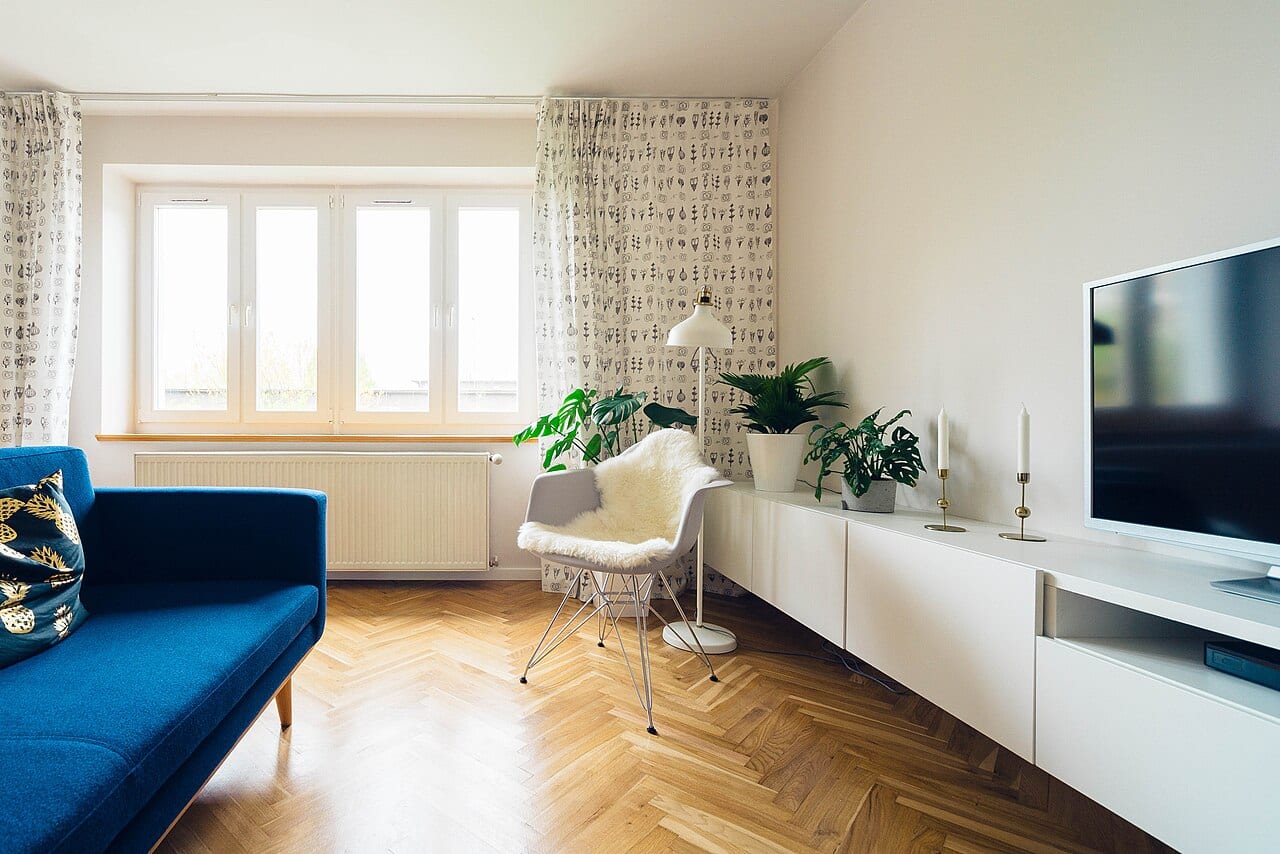
A desk is rarely just a surface for a laptop. For many, it is a sanctuary where the most demanding tasks are tackled. However, the ideal spot for a morning email might be the least effective place for a midday deep-dive. Finding a workspace that supports your specific rhythm requires observing how your home actually functions during the hours you intend to work.
The rhythm of the room
The most effective way to choose a corner is to sit in it and watch the world move. A spot that feels tranquil at 8:00 AM might become a corridor of noise by 2:00 PM. Observe the way light enters the room and how it changes the temperature of your workspace. Note when the neighborhood activity peaks or when the household's internal cadence shifts.
For example, if you find yourself needing to produce a detailed written recap of a project instead of attending yet another hour-long video conference, your requirements change. A video call might tolerate a certain level of ambient background noise, but the intense concentration required to synthesize complex information into a written summary demands a different kind of stillness. If your current corner is prone to frequent interruptions, that summary will take twice as long to complete.
Testing a mobile arrangement
If you are struggling to find a permanent station that satisfies every need, consider the tradeoff of a movable setup. A fixed desk offers stability and a dedicated mental trigger for work, but it lacks the flexibility to escape a sudden distraction. A mobile cart or a lightweight table allows you to migrate when the environment becomes uncooperative.
Imagine you have a choice between a heavy, built-in corner desk in a high-traffic area and a small, portable workstation that can be tucked into a guest room or a quiet hallway. The built-in desk provides a sense of permanence and organization, but you are tethered to the noise of the kitchen or the living room. The portable setup offers the ability to chase the quiet, though it may lack the surface area or ergonomic support of a dedicated piece of furniture. You must decide whether the convenience of a fixed location outweighs the benefit of being able to relocate when the house grows loud.
Refining your observation
Before committing to a new piece of furniture or a permanent room change, keep a simple log for a few days. Mark down the times you felt truly focused and the specific moments when your concentration broke. Was it a sudden sound, a change in light, or a person walking past? This data helps you move past a vague feeling of being "distracted" and toward a concrete understanding of your environment.
Once you have identified the patterns, you can make an informed decision. If the interruptions are predictable, you might choose a permanent spot with better shielding. If the interruptions are erratic, a movable setup may serve you better. Use your observations to decide if you need a new location or simply a new way to move through the one you already have.

