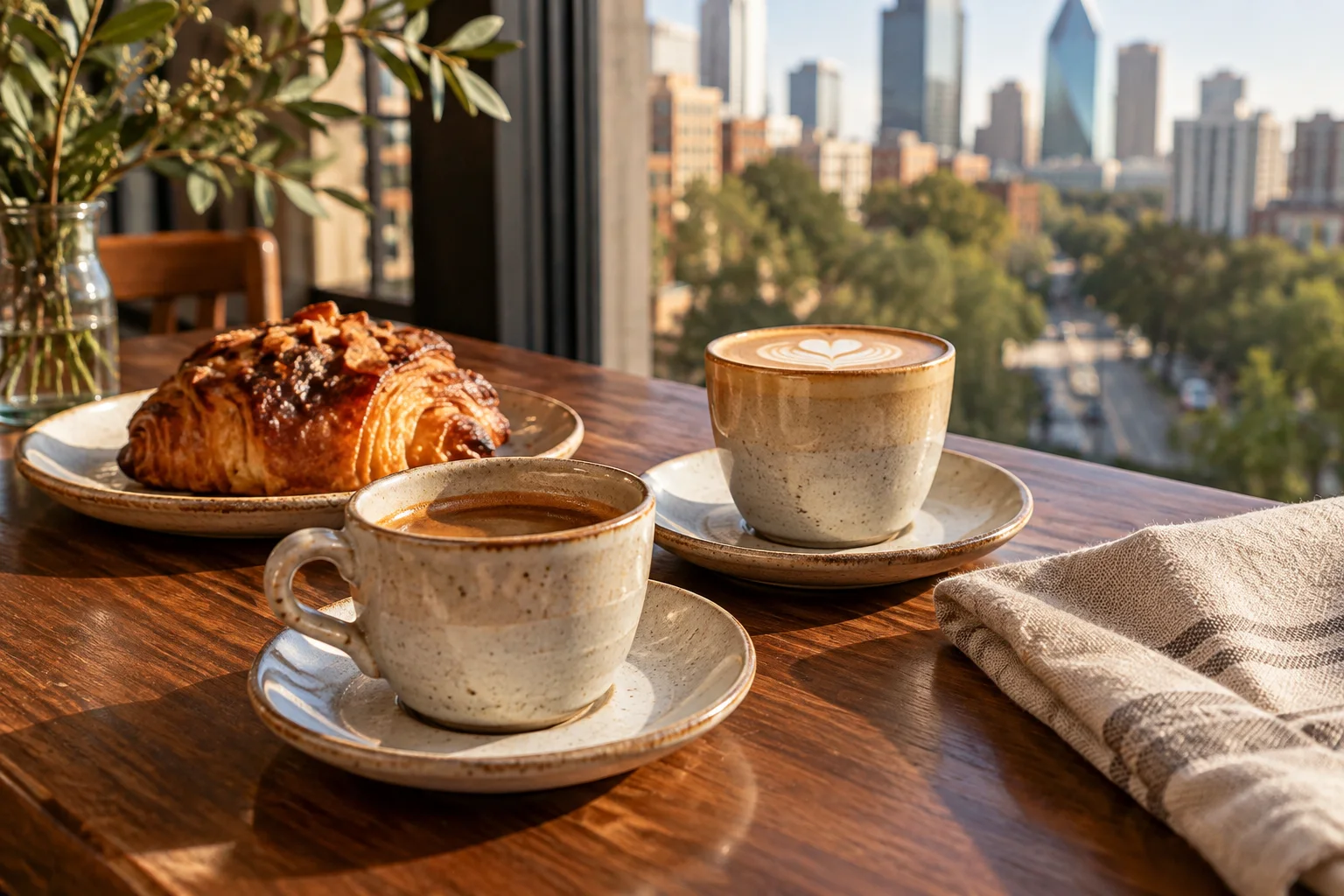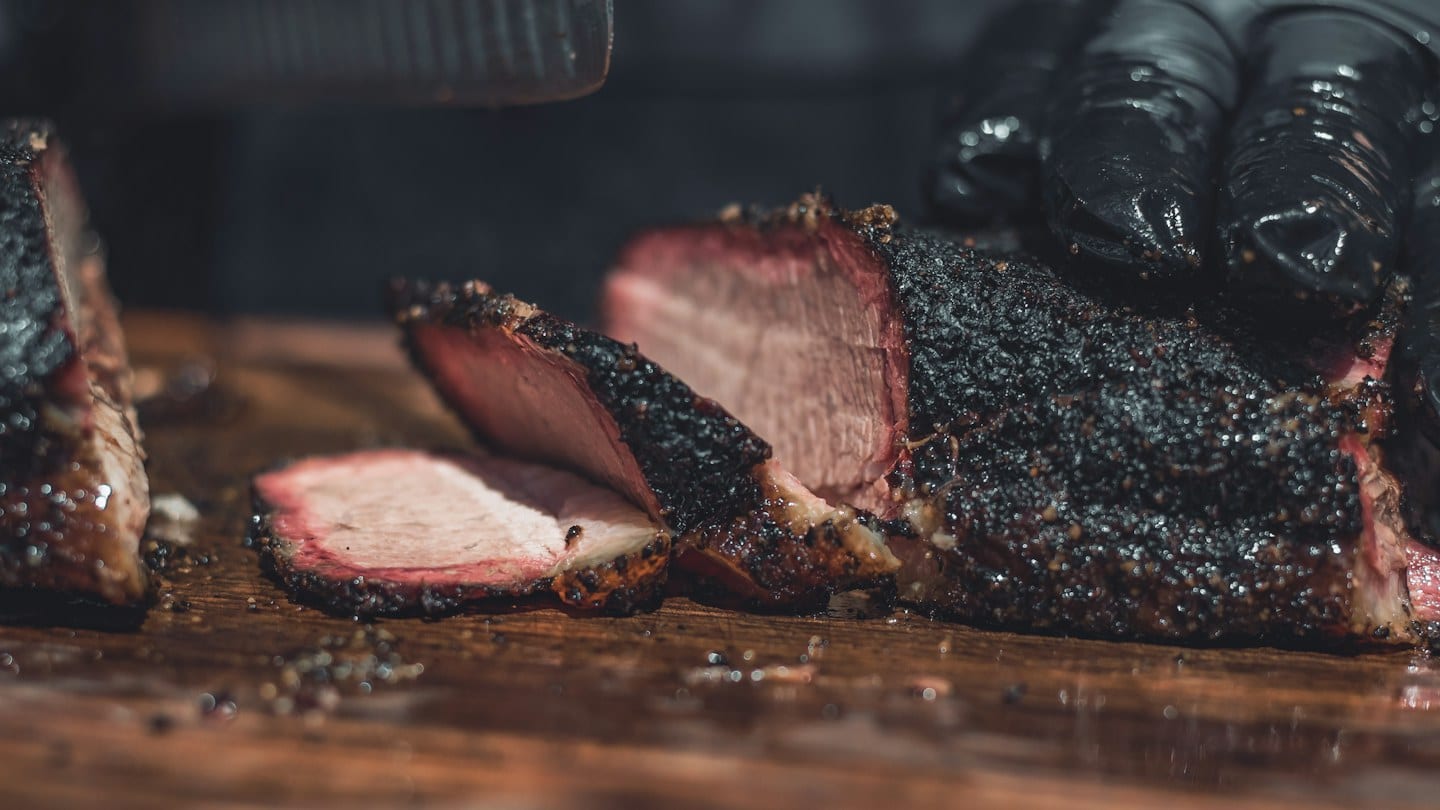
A small plate of artisanal cheeses, a flight of local honey, or a selection of roasted coffees can serve as the centerpiece for an evening of shared discovery. However, the moment a group begins assigning numerical scores to what they consume, the atmosphere can shift from relaxed enjoyment to a high-stakes competition. To keep the focus on the experience, consider a more descriptive approach to tasting.
The power of a limited selection
The impulse to provide an overwhelming variety of options is strong, yet a crowded table often leads to sensory fatigue. When guests are asked to navigate dozens of different profiles, the subtle distinctions that make a specific item special can be lost. Selecting a modest set of items allows for a deeper engagement with each individual component. By narrowing the scope, you encourage guests to notice the specific textures or scents that define the product.
For example, if you are hosting a tasting of different olive oils, choosing three distinct varieties—perhaps one peppery, one buttery, and one fruity—provides a clear framework. This small set allows for comparison without the mental exhaustion of trying to remember a long sequence of flavors. The tradeoff here is between breadth and depth: you sacrifice the excitement of a massive buffet for the clarity of a focused study.
Recording observations over rankings
When guests take notes, the goal should be to capture their unique impressions rather than to determine a definitive winner. Instead of a scorecard that asks for a rating out of ten, provide small cards where guests can jot down descriptive words. One person might note a "smoky finish," while another focuses on a "velvety mouthfeel."
This method shifts the conversation away from debate and toward dialogue. When the discussion centers on what was felt or tasted rather than what was "better," the room remains open to disagreement. One guest's preference for acidity does not invalidate another's preference for sweetness; they are simply different observations of the same item.
Navigating the modest trial
If you are hesitant about hosting a full-scale event, you might consider a trial run. Imagine you are planning a significant gathering for a holiday or a milestone and want to test the waters with a specific theme. Rather than committing to a large purchase of expensive ingredients, host a small, private session with two or three close friends. Use this as an opportunity to see which items spark the most conversation and which descriptions your guests find most useful. This allows you to refine your selection and your hosting style before a larger group arrives.
To prepare for your evening, decide on your theme and select a limited number of high-quality items. Provide simple tools for note-taking that emphasize adjectives over numbers, and prepare to facilitate a discussion that celebrates individual preference. By prioritizing observation over judgment, you ensure the evening remains a shared exploration.