This is a paid partner contribution. Commercial relationships are disclosed so readers can distinguish sponsored content from editorial guides.
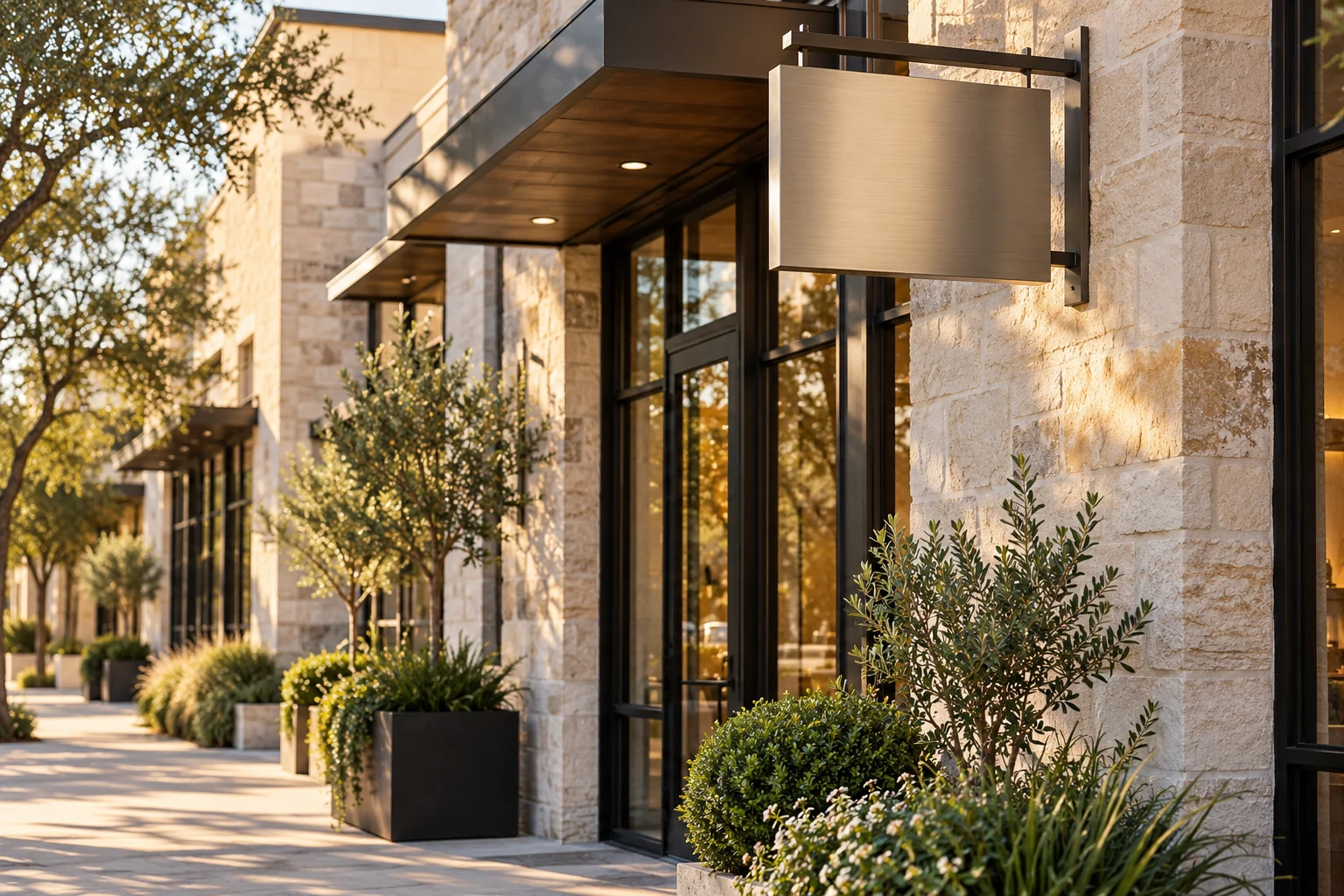
A blank storefront or an empty office corridor represents a fresh opportunity to define how people perceive your brand. Moving from a vague idea of "better branding" to a concrete installation requires a shift from abstract concepts to specific physical measurements and visual goals. Before you begin discussing digital signage content, the preparation you do at your own desk will dictate how effectively you can communicate your needs to a specialist.
Assessing the Physical Canvas
Every surface offers different possibilities and limitations. A smooth interior wall provides a different foundation than a textured exterior brick facade or a glass entryway. Before scheduling a consultation, walk through your space with a measuring tape and a notebook. Note the height, width, and any obstructions like light switches, vents, or door handles that might interfere with a design.
For example, if you are considering wall murals and window graphics for Dallas businesses, you might find that a large expanse of glass requires a different approach than a solid drywall surface. Documenting these dimensions early allows you to present a clear picture of the environment. You might also consider the lighting in the area; a sign placed in a dark corner will behave differently than one positioned under a bright spotlight.
Defining the Visual Objective
Deciding between different types of displays involves a tradeoff between permanence and flexibility. A large-scale graphic might offer a bold, constant presence, while digital options allow for changing messages. To navigate this, write down what you want a visitor to do or feel when they see your signage. Are you looking to direct foot traffic, announce a seasonal promotion, or establish a specific atmosphere within a waiting area?
Having these objectives written down helps prevent the project from drifting into purely aesthetic choices that do not serve your business function. If your goal is to change messaging weekly, your questions for a provider should focus on how easily updates can be made. If your goal is a long-term architectural statement, your focus should be on the durability of the materials in your specific Dallas environment.
Gathering Your Brand Assets
A professional designer will need more than just a description of your colors. To make the most of an initial meeting, compile a folder of your existing brand elements. This should include high-resolution logos, specific color codes if you have them, and any existing marketing materials that represent your current style. If you have specific fonts that are part of your brand identity, have those names ready.
Ask the professional which file formats they require to ensure the highest quality print. If you are working from an older logo, ask how they can work with those existing files to create something new. Bringing these organized assets to the table transforms the conversation from a series of guesses into a targeted planning session. By arriving with measurements, objectives, and brand files, you move closer to a finished product that matches your actual space.


