This is a paid partner contribution. Commercial relationships are disclosed so readers can distinguish sponsored content from editorial guides.
A storefront or office interior serves as the first point of contact for a visitor. When deciding how to present your brand through physical markers, the choice often comes down to how much visual weight you want to carry. You might find yourself choosing between subtle, integrated elements that guide a person through a hallway and bold, structural pieces that announce your presence from the street. This decision involves weighing the desire for immediate visibility against the need for a cohesive, understated atmosphere.
Assessing Your Environment
Before meeting with a provider, take a moment to observe the physical constraints of your location. Light levels, wall textures, and pedestrian flow all influence how a visual element will perform. A bright, sun-drenched lobby will interact differently with a surface than a dimly lit corridor. Consider whether you are looking for something that complements your existing decor or something that creates a new focal point entirely.
For example, if you are considering wall graphics Dallas, you might weigh the benefit of large-scale imagery against the simplicity of individual lettering. One offers a continuous visual experience, while the other allows for more negative space on the wall. Ask a professional how the specific texture of your walls might affect the application or the appearance of the chosen material.
Evaluating Exterior Impact
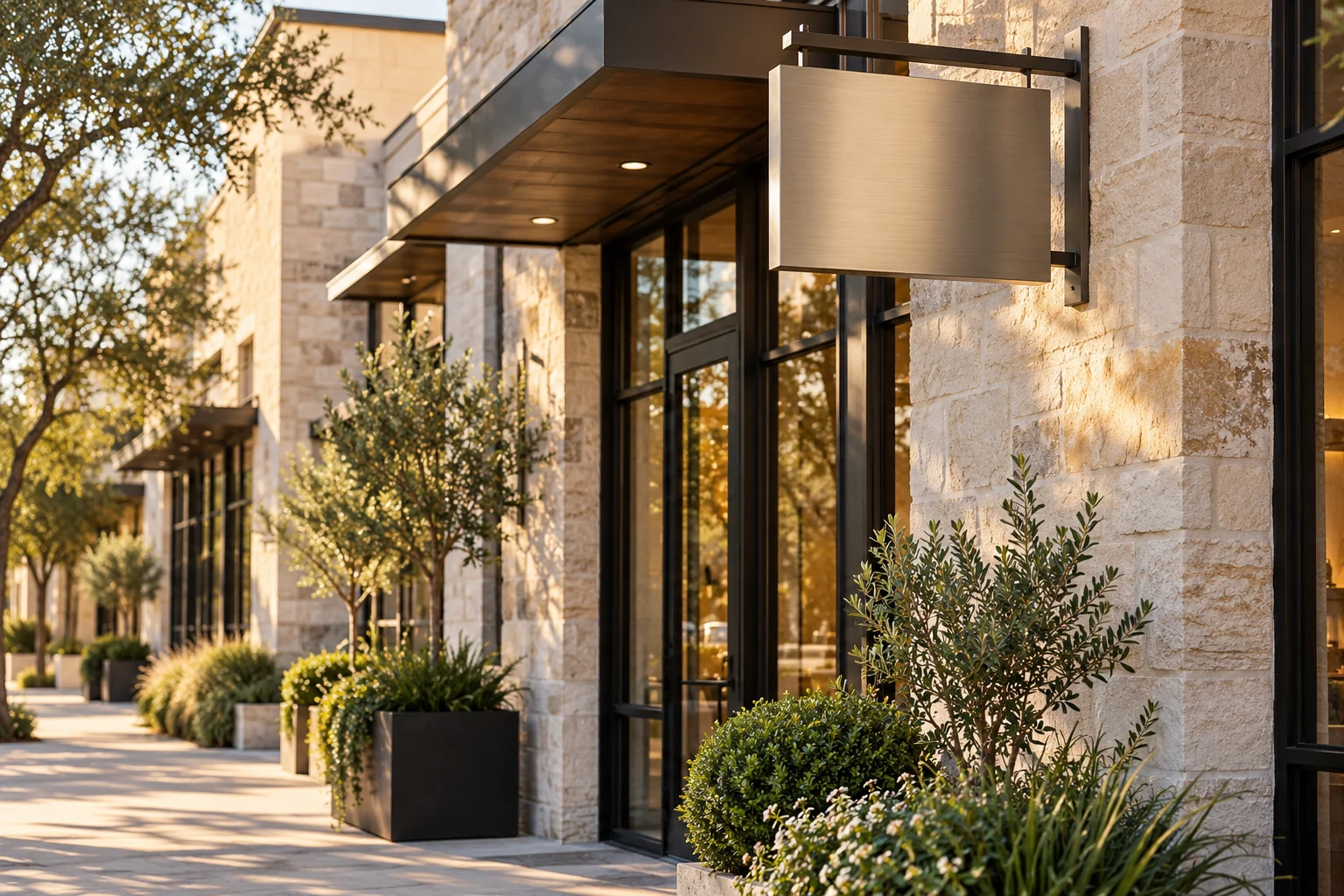
The transition from the sidewalk to your door is a critical moment in the customer experience. Exterior elements must withstand local weather patterns while remaining legible to passing traffic. When looking at monument signs dallas, the tradeoff often involves the scale of the piece versus the footprint it occupies on your property. A larger structure provides more surface area for information but requires more dedicated land.
Ask the specialist about the durability of different materials in the Texas heat. Inquire about the installation process and whether they coordinate the necessary permissions with local authorities. It is also helpful to ask how the proposed design will look under different lighting conditions, such as midday sun versus evening streetlights.
Preparing for the Consultation
To get the most out of a professional meeting, bring a clear list of your requirements. This includes the approximate dimensions of the installation areas and a sense of your brand colors. Instead of deciding on a final product immediately, focus on gathering information about the possibilities. Ask who would handle the installation and what that arrangement includes. You may also want to ask how the recommended materials address the specific dimensions and routines of the space you described. By focusing on these practical details, you can move from a general idea to a concrete plan that fits your physical environment.


